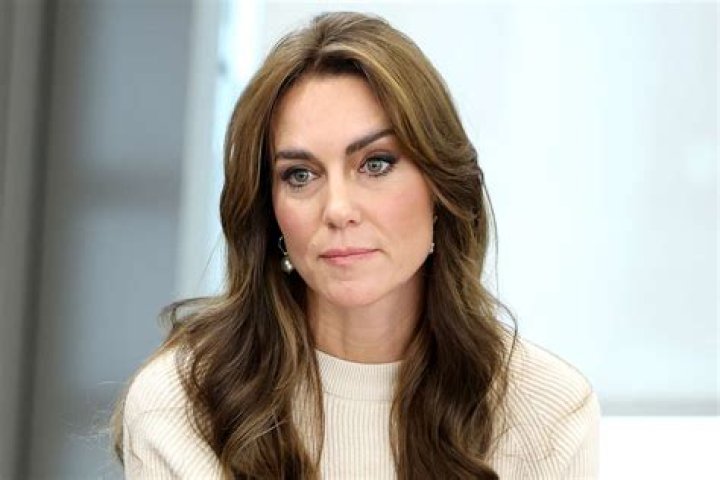
The tragic death of Aubreigh Wyatt and the circumstances surrounding it have sparked public interest and concern.
Every year in the United States, suicide is the second leading cause of death for individuals between the ages of 10 and 24. Suicide is a complex issue with various contributing factors, including mental health conditions, relationship problems, and exposure to trauma. It's crucial to approach discussions about suicide with sensitivity and accuracy, prioritizing the well-being of those affected.
In Aubreigh Wyatt's case, the specific details surrounding her death are not publicly available, and it would be inappropriate to speculate on the exact cause. However, her passing highlights the importance of providing support and resources for individuals struggling with mental health challenges. By raising awareness, we can encourage open and honest conversations about suicide prevention, reduce stigma, and connect those in need with the help they deserve.
A Comprehensive Overview of the Key Aspects Related to Aubreigh Wyatt's Death
The tragic loss of Aubreigh Wyatt has brought to light the multifaceted nature of suicide. To fully understand the complexities surrounding her death, it's essential to explore the various aspects that may have contributed to this devastating outcome.
- Mental health conditions
- Relationship problems
- Exposure to trauma
- Access to firearms
- Social media influences
- Cultural factors
- Warning signs and prevention strategies
- The impact on family and friends
- The role of the media in reporting on suicide
- Research and data on suicide trends
These aspects are interconnected and can significantly influence an individual's decision to end their life. By examining each aspect in depth, we can gain a better understanding of the factors that contribute to suicide and develop more effective prevention strategies.
Mental health conditions
Mental health conditions are a significant factor in understanding the circumstances surrounding Aubreigh Wyatt's death. Research has consistently shown a strong correlation between mental health disorders and suicide.
- Depression
Depression is a mood disorder that causes persistent feelings of sadness and hopelessness. It can interfere with an individual's ability to work, study, sleep, eat, and enjoy life. Depression is one of the most common mental health conditions associated with suicide. - Anxiety disorders
Anxiety disorders are characterized by excessive fear or worry. They can include conditions such as generalized anxiety disorder, panic disorder, and social anxiety disorder. Anxiety disorders can lead to feelings of helplessness and hopelessness, which may increase the risk of suicide. - Bipolar disorder
Bipolar disorder is a mental illness that causes extreme mood swings, including episodes of mania or hypomania and depression. During manic or hypomanic episodes, individuals may engage in impulsive and risky behaviors, including self-harm or suicide attempts. - Schizophrenia
Schizophrenia is a severe mental illness that can lead to hallucinations, delusions, and disorganized thinking. Individuals with schizophrenia may experience impaired judgment and insight, which can increase their vulnerability to suicide.
It's important to note that not everyone with a mental health condition will attempt suicide. However, these conditions can significantly increase the risk. Addressing mental health issues through early intervention, treatment, and support is crucial for suicide prevention.
Relationship problems
Relationship problems can significantly contribute to an individual's decision to end their life. These problems can include romantic relationships, family relationships, and friendships. The stress, emotional turmoil, and sense of isolation that can accompany relationship problems can overwhelm an individual's coping mechanisms and lead to feelings of hopelessness and despair.
In Aubreigh Wyatt's case, the specific relationship problems she faced are not publicly known. However, research has shown that relationship problems are a common factor in suicide cases. For example, one study found that people who had experienced a recent breakup were at an increased risk of suicide, and another study found that people who had experienced relationship problems were more likely to report suicidal thoughts and behaviors.
It's important to recognize the warning signs of relationship problems that may increase the risk of suicide. These signs can include:
- Constant arguing or fighting
- Physical or emotional abuse
- Infidelity
- Lack of communication or support
- Feeling trapped or controlled
Exposure to trauma
Exposure to trauma is a significant risk factor for suicide. Trauma can be defined as any event that is emotionally distressing or overwhelming, such as childhood abuse, neglect, witnessing violence, or experiencing a natural disaster.
Trauma can have a profound impact on an individual's mental and emotional health. It can lead to the development of mental health conditions such as post-traumatic stress disorder (PTSD), depression, and anxiety. These conditions can increase the risk of suicide by impairing an individual's ability to cope with stress, regulate emotions, and maintain healthy relationships.
In the case of Aubreigh Wyatt, it is not publicly known whether she had experienced any trauma in her life. However, research has shown that exposure to trauma is a common factor in suicide cases. For example, one study found that people who had experienced childhood abuse were at an increased risk of suicide, and another study found that people who had experienced multiple traumas were more likely to report suicidal thoughts and behaviors.
It is important to recognize the warning signs of suicide in individuals who have experienced trauma. These signs can include:
- Talking about wanting to die or kill themselves
- Giving away belongings or making funeral arrangements
- Withdrawing from social activities or relationships
- Engaging in risky or self-destructive behaviors
- Experiencing flashbacks or nightmares
Access to firearms
Access to firearms is a significant risk factor for suicide. In the United States, firearms are the most common method of suicide, accounting for over half of all suicide deaths.
- Availability of firearms
The United States has one of the highest rates of gun ownership in the world, with an estimated 120 firearms for every 100 people. This high level of gun ownership makes it easier for people to obtain firearms, including those who may be at risk for suicide. - Impulsivity
Firearms are often used in impulsive suicides. When someone is in a state of crisis, they may not be thinking clearly and may make decisions that they would not make if they were in a calmer state of mind. Having a firearm readily available can increase the risk of acting on suicidal thoughts. - Lethality
Firearms are a lethal means of suicide. When someone uses a firearm to attempt suicide, they are more likely to die than if they used other methods, such as drug overdose or cutting.
In the case of Aubreigh Wyatt, it is not publicly known whether she had access to a firearm. However, the fact that firearms are the most common method of suicide in the United States suggests that access to a firearm may have been a factor in her death.
Social media influences
Social media has become a ubiquitous part of our lives, and its influence on our mental health is a growing concern. While social media can be a positive force, providing us with opportunities to connect with others and share our experiences, it can also have negative effects, such as cyberbullying, social comparison, and unrealistic expectations.
Research has shown that social media use can be linked to an increased risk of suicide, particularly among young people. One study found that adolescents who spend more time on social media are more likely to report suicidal thoughts and behaviors. Another study found that social media use can lead to increased feelings of isolation and loneliness, which are both risk factors for suicide.
There are several ways in which social media can contribute to suicide risk. First, social media can expose young people to harmful content, such as cyberbullying, which can lead to feelings of isolation, depression, and anxiety. Second, social media can create a culture of comparison, in which young people feel pressure to meet unrealistic standards of beauty and success. This can lead to feelings of inadequacy and low self-esteem, which are both risk factors for suicide.
In the case of Aubreigh Wyatt, it is not publicly known whether social media played a role in her death. However, it is important to be aware of the potential risks of social media use, especially among young people. Parents, educators, and mental health professionals should talk to young people about the potential risks of social media and how to use it safely.
Cultural factors
Cultural factors play a significant role in shaping an individual's values, beliefs, and behaviors. These factors can influence how an individual thinks about suicide, as well as the likelihood that they will attempt or die by suicide.
In some cultures, suicide is seen as a shameful or taboo topic. This can make it difficult for individuals who are struggling with suicidal thoughts to seek help. Additionally, cultural factors can influence the availability of mental health services and the way that these services are delivered.
In the case of Aubreigh Wyatt, it is not publicly known whether cultural factors played a role in her death. However, it is important to be aware of the potential influence of cultural factors on suicide risk. By understanding the cultural factors that may contribute to suicide, we can develop more effective prevention and intervention strategies.
Warning Signs and Prevention Strategies
Suicide is a complex issue with various contributing factors, including mental health conditions, relationship problems, and exposure to trauma. Understanding the warning signs of suicide and implementing effective prevention strategies are crucial for reducing the risk of suicide.
- Recognizing the Warning Signs
Identifying the warning signs of suicide is essential for early intervention and prevention. These signs may include talking about wanting to die or kill oneself, giving away belongings or making funeral arrangements, withdrawing from social activities or relationships, engaging in risky or self-destructive behaviors, and experiencing flashbacks or nightmares. - Seeking Professional Help
If you are concerned that someone you know may be at risk for suicide, it is important to seek professional help immediately. You can call the National Suicide Prevention Lifeline at 1-800-273-8255 or visit their website at - Creating a Safety Plan
A safety plan is a written document that outlines the steps that a person at risk for suicide can take to stay safe. This plan may include identifying warning signs, coping mechanisms, and a list of trusted people to contact in a crisis. - Reducing Access to Means
Reducing access to means of suicide, such as firearms or medication, can help to prevent suicide. This may involve storing firearms safely, locking up medication, and removing sharp objects from the environment.
Understanding the warning signs of suicide and implementing effective prevention strategies can save lives. By working together, we can create a more supportive and compassionate community where everyone feels valued and has access to the help they need.
The impact on family and friends
The suicide of a loved one is a devastating event that can have a profound impact on family and friends. The sudden and unexpected loss of someone close can lead to feelings of grief, shock, anger, and guilt. Family and friends may also struggle to understand why their loved one took their own life and may be left with unanswered questions.
The impact of suicide on family and friends can be far-reaching. Suicide loss survivors may experience physical health problems, such as sleep disturbances, changes in appetite, and weakened immune systems. They may also experience mental health problems, such as depression, anxiety, and post-traumatic stress disorder (PTSD). Suicide loss survivors may also have difficulty coping with the practical and financial challenges that can arise after a suicide death, such as funeral expenses and loss of income.
It is important for family and friends of suicide loss survivors to seek professional help. Therapy can help suicide loss survivors to process their grief, understand the circumstances surrounding their loved one's death, and develop coping mechanisms. Support groups can also be helpful for suicide loss survivors, as they provide a safe space to share their experiences and connect with others who have gone through similar losses.
The role of the media in reporting on suicide
The media plays a significant role in shaping public perception and understanding of suicide. The way that suicide is reported in the media can influence how people think about suicide, how they respond to people who are suicidal, and how they seek help for themselves or others.
- Sensationalism and oversimplification
Suicide is often portrayed in the media in a sensationalistic and oversimplified manner. This can lead to misconceptions about suicide and make it more difficult for people to understand the complex factors that contribute to suicide.
- Lack of context and nuance
Media reports about suicide often lack context and nuance. This can make it difficult for people to understand the individual circumstances that led to a suicide and can perpetuate stereotypes about people who die by suicide.
- Copycat effect
There is evidence that media reports about suicide can lead to copycat suicides. This is particularly true for young people, who are more vulnerable to the influence of the media.
- Stigma and discrimination
Media reports about suicide can contribute to stigma and discrimination against people who have attempted or died by suicide. This can make it difficult for people to seek help for suicidal thoughts and feelings.
It is important for the media to report on suicide in a responsible and accurate manner. This means providing context and nuance, avoiding sensationalism, and using language that does not stigmatize or discriminate against people who have attempted or died by suicide.
Research and data on suicide trends
Understanding suicide trends is crucial for developing effective prevention strategies. Research and data provide insights into the patterns and characteristics of suicide, helping us identify high-risk groups and develop targeted interventions.
- Suicide rates and demographics
Research shows that suicide rates vary across different demographic groups, such as age, gender, race/ethnicity, and socioeconomic status. This information helps us identify populations that are at higher risk for suicide and allocate resources accordingly.
- Methods of suicide
Data on the methods used for suicide can inform prevention efforts. For example, if a particular method is commonly used in a specific region, targeted interventions can be implemented to reduce access to that method.
- Risk and protective factors
Research has identified various risk and protective factors associated with suicide. Risk factors include mental health conditions, substance abuse, and exposure to trauma. Protective factors include social support, coping skills, and access to mental health care.
- Time trends and seasonality
Tracking suicide trends over time can help identify emerging patterns and seasonal variations. This information can guide the timing and implementation of prevention programs.
By analyzing research and data on suicide trends, we can gain a deeper understanding of the factors that contribute to suicide and develop more effective prevention strategies. This knowledge can help save lives and promote mental well-being in our communities.
Frequently Asked Questions (FAQs)
This section aims to address some common questions and provide informative answers regarding the topic of suicide.
Question 1: What are the warning signs of suicide?
Answer: Warning signs may include talking about wanting to die or kill oneself, giving away belongings or making funeral arrangements, withdrawing from social activities or relationships, engaging in risky or self-destructive behaviors, and experiencing flashbacks or nightmares. It is important to take these signs seriously and seek professional help immediately.
Question 2: What can I do if I am concerned about someone who may be suicidal?
Answer: If you are concerned about someone who may be suicidal, the most important thing to do is to reach out and offer support. Let them know that you care and that you are there for them. Encourage them to talk about their feelings and listen without judgment. Help them connect with professional help, such as a therapist or counselor.
Question 3: What are the risk factors for suicide?
Answer: Risk factors for suicide include mental health conditions, such as depression and anxiety; substance abuse; exposure to trauma or violence; and a family history of suicide. It is important to be aware of these risk factors and to seek help if you or someone you know is struggling.
Question 4: What are the protective factors against suicide?
Answer: Protective factors against suicide include strong social support networks, coping skills, and access to mental health care. Building these protective factors can help to reduce the risk of suicide.
Question 5: How can I help prevent suicide?
Answer: You can help prevent suicide by being aware of the warning signs, reaching out to those who may be struggling, and promoting mental health awareness and support. You can also support organizations that are working to prevent suicide.
Question 6: Where can I get help if I am struggling with suicidal thoughts?
Answer: If you are struggling with suicidal thoughts, please know that you are not alone. There is help available. You can call the National Suicide Prevention Lifeline at 1-800-273-8255, text HOME to 741741, or visit their website at
Summary: Remember, suicide is a serious issue that requires our attention and support. By understanding the warning signs, risk factors, and protective factors, we can help prevent suicide and save lives.
Transition: For more information on suicide prevention, please visit the following resources:
Tips for Preventing Suicide
Suicide is a serious issue that affects countless lives around the world. It is important to be aware of the warning signs, risk factors, and protective factors associated with suicide, and to know how to help those who may be struggling.
Here are some tips for preventing suicide:
1. Be aware of the warning signs. Warning signs of suicide may include talking about wanting to die or kill oneself, giving away belongings or making funeral arrangements, withdrawing from social activities or relationships, engaging in risky or self-destructive behaviors, and experiencing flashbacks or nightmares. If you notice any of these warning signs in someone you know, reach out and offer support. Encourage them to talk about their feelings and listen without judgment. Help them connect with professional help, such as a therapist or counselor.
2. Reduce access to means. Reducing access to means of suicide, such as firearms or medication, can help to prevent suicide. This may involve storing firearms safely, locking up medication, and removing sharp objects from the environment. If you are concerned about someone who may be at risk for suicide, you can help them to reduce their access to means.
3. Promote mental health awareness. Mental health conditions are a major risk factor for suicide. Promoting mental health awareness and reducing stigma can help people to seek help for mental health problems before they reach a crisis point. You can promote mental health awareness by talking about mental health issues openly, sharing resources, and supporting organizations that are working to improve mental health care.
4. Support suicide prevention organizations. There are many organizations that are working to prevent suicide. You can support these organizations by donating your time or money, or by spreading the word about their work. Supporting suicide prevention organizations can help to save lives.
5. Be there for those who are struggling. If you know someone who is struggling with suicidal thoughts, be there for them. Let them know that you care and that you are there to listen. Encourage them to seek professional help, and support them through the process. Being there for someone who is struggling can make a difference in their life.
Summary: Suicide is a serious issue, but it is one that we can prevent. By being aware of the warning signs, risk factors, and protective factors, and by taking steps to support those who are struggling, we can help to save lives.
Transition: For more information on suicide prevention, please visit the following resources:
Conclusion
The tragic death of Aubreigh Wyatt has brought to light the multifaceted nature of suicide. By exploring the various aspects that may have contributed to her death, we have gained a deeper understanding of the complexities surrounding this devastating issue.
Suicide is a serious public health concern that requires our attention, compassion, and collaborative efforts. By raising awareness, reducing stigma, supporting those who are struggling, and implementing effective prevention strategies, we can create a more hopeful and supportive society where individuals can seek and receive the help they need.
Jude Law's Net Worth Unveiled: Discoveries And Insights For 2024
Mimi Faust's Epic Love Saga: Unlocking The Secrets Of Her Relationships
Unveiling The Genius Of Rudy Washington Ruggs: Discoveries And Insights Await