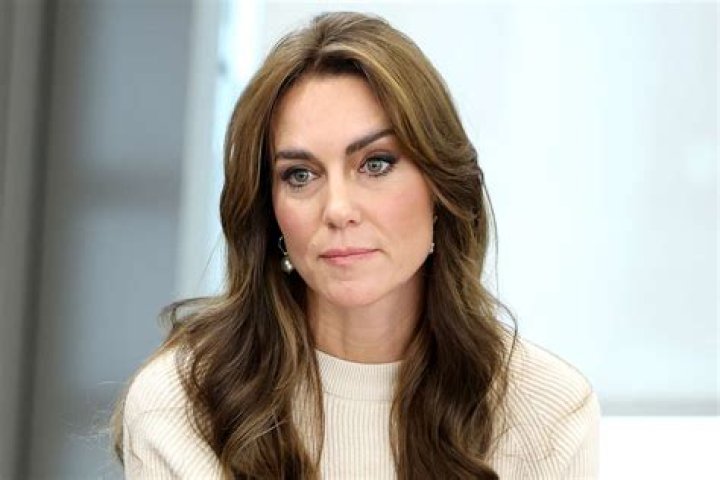
Diane Keaton cancer is a term used to refer to the actress's experience with breast cancer. Keaton was diagnosed with breast cancer in early 2021 and underwent surgery and treatment.
Keaton's experience with cancer has been widely publicized, and she has spoken openly about her journey. She has said that she hopes her story will inspire others who are facing cancer.
Keaton's cancer diagnosis has also raised awareness of the importance of early detection and screening. Breast cancer is the most common cancer among women in the United States, and it is important to get regular mammograms to screen for the disease.
Diane Keaton Cancer
Diane Keaton's experience with breast cancer has been widely publicized, and she has spoken openly about her journey. Her diagnosis has raised awareness of the importance of early detection and screening, and her story has inspired others who are facing cancer.
- Diagnosis: Keaton was diagnosed with breast cancer in early 2021.
- Treatment: She underwent surgery and treatment.
- Recovery: Keaton is now in remission.
- Advocacy: She has spoken out about her experience to raise awareness of breast cancer.
- Inspiration: Her story has inspired others who are facing cancer.
- Early detection: Keaton's diagnosis highlights the importance of early detection and screening.
- Breast cancer: Breast cancer is the most common cancer among women in the United States.
- Mammograms: Regular mammograms are important for screening for breast cancer.
- Support: Keaton has received support from her family and friends during her cancer journey.
- Hope: Keaton's story gives hope to others who are facing cancer.
Keaton's experience with cancer is a reminder that cancer can affect anyone, regardless of age, gender, or background. It is important to be aware of the signs and symptoms of cancer, and to get regular screenings. Early detection and treatment can improve the chances of survival.
Personal details and bio data of Diane Keaton
| Name: | Diane Keaton |
| Date of birth: | January 5, 1946 |
| Place of birth: | Los Angeles, California |
| Occupation: | Actress, director, and producer |
| Known for: | Roles in Annie Hall, The Godfather, and Something's Gotta Give |
Diagnosis
The diagnosis of breast cancer in early 2021 is a significant event in the life of Diane Keaton and a key component of the topic "diane keaton cancer." This diagnosis marked the beginning of Keaton's cancer journey and has had a profound impact on her life and career.
The diagnosis of breast cancer is a life-changing event for anyone, and it can be especially challenging for public figures like Keaton. Keaton's decision to share her diagnosis with the world has raised awareness of breast cancer and inspired others who are facing similar challenges.
Keaton's diagnosis also highlights the importance of early detection and screening. Breast cancer is the most common cancer among women in the United States, and it is important to get regular mammograms to screen for the disease. Early detection and treatment can improve the chances of survival.
Keaton's experience with breast cancer is a reminder that cancer can affect anyone, regardless of age, gender, or background. It is important to be aware of the signs and symptoms of cancer, and to get regular screenings. Early detection and treatment can improve the chances of survival.
Treatment
The treatment that Diane Keaton underwent for her breast cancer is a significant aspect of her cancer journey. Her decision to undergo surgery and treatment demonstrates her strength and determination in the face of a challenging diagnosis.
- Surgery: Keaton underwent surgery to remove the cancerous tissue from her breast. This is a common treatment for breast cancer, and it can be curative if the cancer is caught early.
- Radiation therapy: Keaton also underwent radiation therapy to kill any remaining cancer cells after surgery. Radiation therapy is a common treatment for breast cancer, and it can help to reduce the risk of the cancer recurring.
- Chemotherapy: Keaton may have also undergone chemotherapy as part of her treatment. Chemotherapy is a type of medication that is used to kill cancer cells. It can be given orally or intravenously.
Keaton's decision to undergo surgery and treatment is a reminder that breast cancer is a serious disease that requires aggressive treatment. However, it is also important to remember that breast cancer is treatable, and many people who are diagnosed with breast cancer go on to live long and healthy lives.
Recovery
The fact that Diane Keaton is now in remission is a significant milestone in her cancer journey and a key component of the topic "diane keaton cancer." Remission means that there is no evidence of cancer in the body. This is a positive outcome after cancer treatment, and it is a sign that the treatment has been successful.
Keaton's remission is a reminder that breast cancer is a treatable disease. Many people who are diagnosed with breast cancer go on to live long and healthy lives. However, it is important to remember that remission does not mean that Keaton is cured of cancer. There is always a chance that the cancer could come back. Therefore, it is important for Keaton to continue to follow her doctor's orders and get regular checkups.
Keaton's remission is also a source of hope for others who are facing cancer. It is a reminder that even though cancer is a serious disease, it is possible to beat it. Keaton's story is an inspiration to others who are fighting cancer, and it gives them hope that they too can achieve remission.
Advocacy
Diane Keaton's advocacy for breast cancer awareness is a significant aspect of her cancer journey and a key component of the topic "diane keaton cancer." Keaton has used her platform as a celebrity to speak out about her experience with breast cancer and to raise awareness of the importance of early detection and screening.
- Role model: Keaton is a role model for other women who are facing breast cancer. Her decision to speak out about her experience has helped to reduce the stigma associated with breast cancer and has shown others that it is possible to survive and thrive after a breast cancer diagnosis.
- Education: Keaton has used her platform to educate others about breast cancer. She has spoken about the importance of early detection and screening, and she has helped to dispel myths and misconceptions about breast cancer.
- Inspiration: Keaton's story is an inspiration to others who are facing breast cancer. Her courage and determination in the face of a challenging diagnosis is a reminder that it is possible to overcome breast cancer.
- Support: Keaton has used her platform to support other women who are facing breast cancer. She has spoken at events, raised money for breast cancer research, and provided support to women who are going through breast cancer treatment.
Keaton's advocacy for breast cancer awareness is making a difference in the lives of others. She is helping to reduce the stigma associated with breast cancer, educating others about the importance of early detection and screening, and inspiring others who are facing breast cancer.
Inspiration
Diane Keaton's story of overcoming breast cancer has been an inspiration to many others who are facing cancer. Her courage, determination, and positive attitude have given hope to others who are going through a similar journey.
- Role model: Keaton is a role model for other women who are facing breast cancer. Her decision to speak out about her experience has helped to reduce the stigma associated with breast cancer and has shown others that it is possible to survive and thrive after a breast cancer diagnosis.
- Education: Keaton has used her platform to educate others about breast cancer. She has spoken about the importance of early detection and screening, and she has helped to dispel myths and misconceptions about breast cancer.
- Inspiration: Keaton's story is an inspiration to others who are facing breast cancer. Her courage and determination in the face of a challenging diagnosis is a reminder that it is possible to overcome breast cancer.
- Support: Keaton has used her platform to support other women who are facing breast cancer. She has spoken at events, raised money for breast cancer research, and provided support to women who are going through breast cancer treatment.
Keaton's story is a reminder that even though cancer is a serious disease, it is possible to beat it. Her story is an inspiration to others who are facing cancer, and it gives them hope that they too can overcome cancer.
Early detection
Diane Keaton's breast cancer diagnosis is a reminder of the importance of early detection and screening. Breast cancer is the most common cancer among women in the United States, and it is important to get regular mammograms to screen for the disease. Early detection and treatment can improve the chances of survival.
Keaton's diagnosis has raised awareness of the importance of early detection and screening. She has spoken out about her experience to encourage other women to get regular mammograms. Keaton's story is a reminder that breast cancer can affect anyone, regardless of age, gender, or background. It is important to be aware of the signs and symptoms of breast cancer, and to get regular screenings.
Early detection and screening are essential for reducing the risk of breast cancer death. Mammograms can detect breast cancer at an early stage, when it is more likely to be curable. Regular mammograms are recommended for women over the age of 40. Women who are at high risk for breast cancer may need to start getting mammograms earlier.
Keaton's story is a reminder that early detection and screening can save lives. If you are a woman over the age of 40, please get a mammogram. It could save your life.
Breast cancer
Diane Keaton's breast cancer diagnosis is a reminder of the importance of early detection and screening. Breast cancer is the most common cancer among women in the United States, and it is important to get regular mammograms to screen for the disease.
- Prevalence: Breast cancer is the most common cancer among women in the United States. In 2023, it is estimated that over 300,000 new cases of breast cancer will be diagnosed in women in the United States.
- Risk factors: There are many risk factors for breast cancer, including age, family history, and genetics. However, most women who are diagnosed with breast cancer do not have any known risk factors.
- Symptoms: The most common symptom of breast cancer is a lump in the breast or underarm. Other symptoms can include changes in the size or shape of the breast, nipple discharge, and pain in the breast.
- Treatment: There are many different treatment options for breast cancer, depending on the stage of the cancer and the patient's individual needs. Treatment options can include surgery, radiation therapy, chemotherapy, and hormone therapy.
Keaton's story is a reminder that breast cancer can affect anyone, regardless of age, gender, or background. It is important to be aware of the signs and symptoms of breast cancer, and to get regular screenings. Early detection and treatment can improve the chances of survival.
Mammograms
Diane Keaton's breast cancer diagnosis is a reminder of the importance of regular mammograms. Mammograms are an essential tool for detecting breast cancer at an early stage, when it is more likely to be curable. Regular mammograms can save lives.
Keaton's story is a reminder that breast cancer can affect anyone, regardless of age, gender, or background. It is important to be aware of the signs and symptoms of breast cancer, and to get regular mammograms. Early detection and treatment can improve the chances of survival.
Mammograms are recommended for women over the age of 40. Women who are at high risk for breast cancer may need to start getting mammograms earlier. Talk to your doctor about your individual risk factors and when you should start getting mammograms.
Support
The support that Diane Keaton has received from her family and friends during her cancer journey has been invaluable. This support has helped her to cope with the physical and emotional challenges of cancer, and it has given her the strength to continue fighting.
The support of loved ones is an essential part of cancer care. It can help to improve a patient's quality of life, reduce stress, and improve adherence to treatment. Family and friends can provide practical support, such as helping with transportation to appointments or providing meals. They can also offer emotional support, such as listening to a patient's concerns or providing words of encouragement.
Keaton's experience is a reminder of the importance of social support for people with cancer. This support can make a real difference in the lives of patients and their families.
Here are some tips for providing support to someone with cancer:
- Be there for them. Let them know that you are there for them, no matter what.
- Listen to them. Allow them to talk about their feelings and concerns.
- Offer practical help. Help them with tasks such as transportation to appointments or providing meals.
- Respect their wishes. If they need some space, give it to them.
- Take care of yourself. Supporting someone with cancer can be emotionally draining. Make sure to take care of yourself.
Hope
Diane Keaton's experience with breast cancer has been a source of inspiration for many others who are facing cancer. Her story is a reminder that even though cancer is a serious disease, it is possible to overcome it. Keaton's courage, determination, and positive attitude have given hope to others who are going through a similar journey.
- Role model: Keaton is a role model for other women who are facing breast cancer. Her decision to speak out about her experience has helped to reduce the stigma associated with breast cancer and has shown others that it is possible to survive and thrive after a breast cancer diagnosis.
- Education: Keaton has used her platform to educate others about breast cancer. She has spoken about the importance of early detection and screening, and she has helped to dispel myths and misconceptions about breast cancer.
- Inspiration: Keaton's story is an inspiration to others who are facing breast cancer. Her courage and determination in the face of a challenging diagnosis is a reminder that it is possible to overcome breast cancer.
- Support: Keaton has used her platform to support other women who are facing breast cancer. She has spoken at events, raised money for breast cancer research, and provided support to women who are going through breast cancer treatment.
Keaton's story is a reminder that we are not alone in our fight against cancer. There are many people who have faced cancer and come out stronger on the other side. Keaton's story is a source of hope and inspiration for all of us who are facing cancer.
FAQs on Diane Keaton's Cancer Journey
This section addresses common questions and misconceptions surrounding Diane Keaton's experience with breast cancer, providing concise and informative answers.
Question 1: What type of cancer did Diane Keaton have?
Diane Keaton was diagnosed with breast cancer in early 2021.
Question 2: What was Keaton's treatment plan?
Keaton underwent surgery, radiation therapy, and chemotherapy as part of her treatment plan.
Question 3: Is Diane Keaton cancer-free?
Keaton is currently in remission, meaning there is no evidence of cancer in her body.
Question 4: How has Keaton's cancer experience impacted her life?
Keaton's cancer diagnosis has led her to become an advocate for breast cancer awareness and to use her platform to educate others about the importance of early detection.
Question 5: What can we learn from Diane Keaton's cancer journey?
Keaton's story is a reminder that cancer can affect anyone, regardless of age, gender, or background. It also highlights the importance of early detection, regular screenings, and seeking support during treatment.
Question 6: How can we support those facing cancer?
Providing emotional support, practical assistance, and respecting their wishes are crucial ways to support individuals facing cancer.
In conclusion, Diane Keaton's cancer journey serves as an inspiration and a reminder of the resilience and hope that can be found in the face of adversity. Her story empowers others to embrace early detection, seek support, and maintain a positive outlook during their own cancer experiences.
Transition to the next article section:
Tips for Coping with Cancer
A cancer diagnosis can be a life-changing event, bringing about a range of physical, emotional, and practical challenges. Here are some tips to help you cope with the journey:
Seek Professional Support: Connect with a healthcare team that includes doctors, nurses, and support staff who specialize in cancer care. They can provide expert medical advice, monitor your progress, and offer emotional support.
Join Support Groups: Connecting with others who are going through similar experiences can provide a sense of community and shared understanding. Support groups offer a safe space to share feelings, learn from each other, and offer encouragement.
Practice Self-Care: Prioritize your physical and mental well-being. Engage in activities that bring you joy, such as spending time in nature, pursuing hobbies, or connecting with loved ones. Sufficient rest and a balanced diet are also crucial for maintaining your strength.
Stay Informed: Educate yourself about your cancer type, treatment options, and potential side effects. Knowledge empowers you to make informed decisions and actively participate in your care plan.
Communicate Your Needs: Openly communicate your feelings and needs to your healthcare team, family, and friends. Expressing your concerns and seeking support can help alleviate stress and improve your overall well-being.
Explore Complementary Therapies: Consider complementary therapies such as yoga, meditation, acupuncture, or massage to manage stress, reduce pain, and improve your sense of well-being. Discuss these options with your healthcare team to ensure they are safe and compatible with your treatment plan.
Focus on the Present Moment: Dwelling on the past or worrying about the future can increase anxiety. Practice mindfulness techniques to stay present and appreciate each day. Focus on the things you can control, such as your attitude and daily routine.
Seek Financial Assistance: Cancer treatment can be expensive. Research and explore financial assistance programs, grants, and resources available to help cover medical costs and other expenses related to your care.
Remember that coping with cancer is a journey that requires support, self-care, and resilience. By embracing these tips, you can navigate the challenges and maintain a sense of hope and well-being throughout your experience.
Transition to the article's conclusion:
Conclusion on Diane Keaton's Cancer Journey and Its Impact
Diane Keaton's experience with breast cancer has brought to light the importance of early detection, regular screenings, and seeking support during treatment. Her advocacy has raised awareness and empowered others facing similar challenges.
Keaton's journey serves as a reminder that cancer can affect anyone, regardless of their background or circumstances. It emphasizes the significance of self-care, resilience, and the power of human connection in overcoming adversity. Her story inspires us to embrace hope, seek knowledge, and support those who are battling cancer.
Luke Evans Children: Discoveries And Insights You Won't Believe
Unveiling Laura Gallacher's Net Worth: Discoveries And Insights
Cameron Brink's Father: Unlocking The Secrets Of Success And Inspiration
Diane Keaton on being single at 77 and how it's 'highly unlikely' she
Diane Keaton Is Passionate About Skin Cancer Prevention