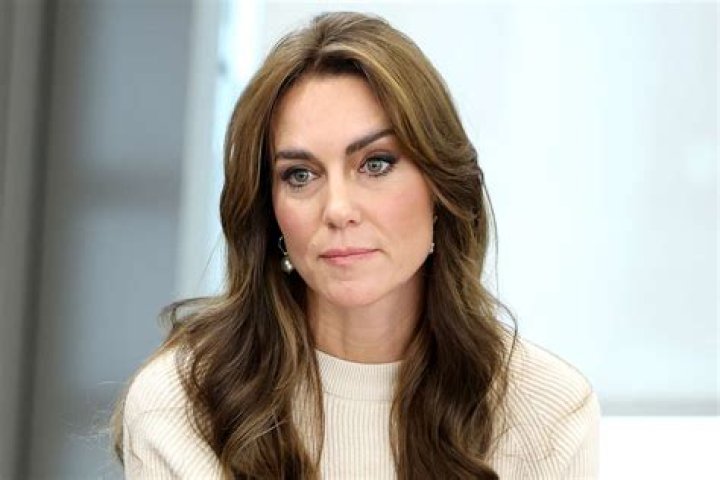
Heather Courtney-Quinn is a conservation scientist and the Executive Director of the Great Plains Restoration Council. She earned a Bachelor of Arts in Environmental Studies from the University of California, Santa Cruz, and a Master of Science in Conservation Biology from the University of Minnesota. Her research has focused on the conservation and restoration of grasslands, and she has worked with ranchers and other stakeholders to develop sustainable grazing practices.
Courtney-Quinn is a strong advocate for the conservation of the Great Plains, and she has worked to raise awareness of the importance of this ecosystem. She has testified before Congress on the need to protect the Great Plains, and she has written extensively about the benefits of grassland conservation.
Courtney-Quinn's work has had a significant impact on the conservation of the Great Plains. She has helped to raise awareness of the importance of this ecosystem, and she has developed innovative strategies for its conservation. Her work is an inspiration to others who are working to protect the environment.
heather courtney-quinn
Heather Courtney-Quinn is a conservation scientist and the Executive Director of the Great Plains Restoration Council. Her work focuses on the conservation and restoration of grasslands, and she has developed innovative strategies for their protection. Here are 10 key aspects of her work:
- Grassland conservation
- Sustainable grazing
- Great Plains restoration
- Advocacy
- Collaboration
- Research
- Education
- Inspiration
- Leadership
- Impact
Courtney-Quinn's work is important because it helps to protect and restore the Great Plains ecosystem. Grasslands are vital for a variety of reasons, including their role in carbon sequestration, water filtration, and wildlife habitat. Courtney-Quinn's work is also important because it helps to promote sustainable grazing practices, which can help to reduce the environmental impact of livestock production. Courtney-Quinn is a strong advocate for the conservation of the Great Plains, and she has worked to raise awareness of the importance of this ecosystem. She has testified before Congress on the need to protect the Great Plains, and she has written extensively about the benefits of grassland conservation. Courtney-Quinn's work is an inspiration to others who are working to protect the environment. She is a leader in the field of conservation, and her work is making a real difference in the world.
Grassland conservation
Grassland conservation is the practice of protecting and restoring grasslands. Grasslands are important ecosystems that provide a variety of benefits, including carbon sequestration, water filtration, and wildlife habitat. Heather Courtney-Quinn is a conservation scientist and the Executive Director of the Great Plains Restoration Council. Her work focuses on the conservation and restoration of grasslands, and she has developed innovative strategies for their protection.
One of the most important aspects of grassland conservation is sustainable grazing. Sustainable grazing practices can help to reduce the environmental impact of livestock production while still allowing ranchers to make a living. Courtney-Quinn has worked with ranchers and other stakeholders to develop sustainable grazing practices that are tailored to the specific needs of the Great Plains ecosystem.
Courtney-Quinn's work on grassland conservation is important because it helps to protect and restore a vital ecosystem. Grasslands provide a variety of benefits to humans and wildlife, and they are essential for the health of the planet. Courtney-Quinn's work is an inspiration to others who are working to protect the environment, and she is a leader in the field of conservation.
Sustainable grazing
Sustainable grazing is a land management practice that seeks to balance the needs of livestock with the long-term health of the ecosystem. Heather Courtney-Quinn, a conservation scientist and the Executive Director of the Great Plains Restoration Council, is a leading advocate for sustainable grazing practices.
- Environmental Benefits
Sustainable grazing practices can help to improve water quality, reduce soil erosion, and increase biodiversity. Courtney-Quinn has worked with ranchers to develop grazing plans that minimize the environmental impact of livestock production. - Economic Benefits
Sustainable grazing practices can help to improve the profitability of ranching operations. By managing their land sustainably, ranchers can reduce their operating costs and increase their profits. - Social Benefits
Sustainable grazing practices can help to strengthen rural communities. By supporting local ranchers, sustainable grazing can help to keep rural communities vibrant and sustainable.
Courtney-Quinn's work on sustainable grazing is an important contribution to the conservation of the Great Plains. By promoting sustainable grazing practices, Courtney-Quinn is helping to protect the environment, support ranchers, and strengthen rural communities.
Great Plains restoration
The Great Plains is a vast and unique ecosystem that stretches from the Rocky Mountains to the Mississippi River. It is home to a wide variety of plants and animals, and it provides essential ecosystem services such as water filtration, carbon sequestration, and wildlife habitat. However, the Great Plains has been heavily impacted by human activity, and much of its native grassland has been converted to agriculture or development.
Heather Courtney-Quinn is a conservation scientist and the Executive Director of the Great Plains Restoration Council. Her work focuses on the restoration of the Great Plains ecosystem. She believes that restoring the Great Plains is essential for the health of the planet and for the people who live there.
Courtney-Quinn's work on Great Plains restoration has had a significant impact. She has helped to raise awareness of the importance of this ecosystem, and she has developed innovative strategies for its restoration. She has also worked with ranchers and other stakeholders to develop sustainable grazing practices that are compatible with Great Plains restoration.
Courtney-Quinn's work is an inspiration to others who are working to protect the environment. She is a leader in the field of conservation, and her work is making a real difference in the world.
Advocacy
Heather Courtney-Quinn is a strong advocate for the conservation of the Great Plains. She has used her voice to raise awareness of the importance of this ecosystem and to promote policies that protect it. She has also worked with ranchers and other stakeholders to develop sustainable grazing practices that are compatible with Great Plains conservation.
- Policy advocacy
Courtney-Quinn has testified before Congress on the need to protect the Great Plains. She has also worked with state and local governments to develop policies that support Great Plains conservation. - Public outreach
Courtney-Quinn has written extensively about the Great Plains and its importance. She has also given numerous public presentations on this topic. She is a frequent speaker at conferences and events, and she has been featured in articles in major newspapers and magazines. - Collaboration
Courtney-Quinn works closely with other organizations and individuals who are working to protect the Great Plains. She is a member of the board of directors of several conservation organizations, and she is a frequent collaborator on research projects and other initiatives. - Education
Courtney-Quinn is passionate about educating people about the Great Plains. She has developed educational materials for schools and other organizations, and she frequently gives presentations to students and community groups.
Courtney-Quinn's advocacy work has had a significant impact on the conservation of the Great Plains. She has helped to raise awareness of the importance of this ecosystem, and she has developed innovative strategies for its protection. She is a strong voice for the Great Plains, and her work is making a real difference in the world.
Collaboration
Collaboration is essential to the work of heather courtney-quinn. She works closely with other organizations and individuals to achieve her goals of conserving and restoring the Great Plains. For example, she has partnered with ranchers to develop sustainable grazing practices, and she has worked with government agencies to develop policies that support Great Plains conservation.
Collaboration is important for several reasons. First, it allows courtney-quinn to pool her resources with others, which can increase the impact of her work. Second, collaboration can help to build consensus and support for conservation initiatives. Third, collaboration can help to share knowledge and expertise, which can lead to better decision-making.
Courtney-quinn's work is a powerful example of the importance of collaboration. By working with others, she has been able to achieve more than she could have on her own. Her work is an inspiration to others who are working to protect the environment.
Research
Research is a critical component of heather courtney-quinn's work. She uses research to inform her conservation and restoration strategies, and to advocate for policies that protect the Great Plains. Her research has focused on a variety of topics, including the following:
- Sustainable grazing practices
Courtney-quinn has conducted research on sustainable grazing practices that can help to protect the Great Plains ecosystem. Her research has shown that sustainable grazing can help to improve water quality, reduce soil erosion, and increase biodiversity. - Great Plains restoration
Courtney-quinn has also conducted research on Great Plains restoration. Her research has helped to identify the best practices for restoring native grasslands, and she has developed a number of innovative restoration techniques. - Climate change impacts
Courtney-quinn is also studying the impacts of climate change on the Great Plains. Her research is helping to identify the most vulnerable areas and to develop adaptation strategies. - Policy analysis
Courtney-quinn also conducts research on policies that affect the Great Plains. Her research has helped to inform policy decisions at the local, state, and federal levels.
Courtney-quinn's research has had a significant impact on the conservation of the Great Plains. Her work has helped to raise awareness of the importance of this ecosystem, and she has developed innovative strategies for its protection. She is a leader in the field of conservation, and her work is making a real difference in the world.
Education
Education is a critical component of heather courtney-quinn's work. She believes that educating people about the Great Plains is essential for its conservation. Courtney-quinn has developed a variety of educational materials, including a curriculum for schools, a website, and a blog. She also frequently gives presentations to students and community groups.
Courtney-quinn's educational work has had a significant impact. She has helped to raise awareness of the Great Plains and its importance. She has also inspired people to take action to protect this ecosystem. For example, after learning about the Great Plains from courtney-quinn, one group of students started a campaign to protect a local prairie.
Education is a powerful tool for conservation. By educating people about the Great Plains, courtney-quinn is helping to protect this vital ecosystem. She is also inspiring the next generation of conservationists.
Inspiration
Heather Courtney-Quinn is an inspiration to many people who are working to protect the environment. Her work on grassland conservation, sustainable grazing, and Great Plains restoration has shown that it is possible to make a difference in the world. Courtney-Quinn's passion for her work is contagious, and she has inspired many others to get involved in conservation.
One of the most important ways that Courtney-Quinn inspires others is through her example. She shows that it is possible to be a successful conservationist without compromising her values. She is also a strong advocate for collaboration, and she believes that everyone has a role to play in protecting the environment.
Courtney-Quinn's work has also inspired others to develop new and innovative ways to protect the environment. For example, one group of students was inspired by Courtney-Quinn's work to start a campaign to protect a local prairie. This campaign was successful, and the prairie is now protected from development.
Courtney-Quinn's work is an inspiration to everyone who is working to protect the environment. She shows that it is possible to make a difference in the world, and she inspires others to do the same.
Leadership
Heather Courtney-Quinn is a leader in the field of conservation. She is the Executive Director of the Great Plains Restoration Council, and she has dedicated her career to protecting and restoring the Great Plains ecosystem. Courtney-Quinn is a strong advocate for sustainable grazing practices, and she has worked with ranchers and other stakeholders to develop innovative strategies for protecting the Great Plains.
Courtney-Quinn's leadership is essential to the success of the Great Plains Restoration Council. She has a clear vision for the organization, and she is able to motivate and inspire her staff to achieve their goals. Courtney-Quinn is also a skilled negotiator, and she has been able to build partnerships with a variety of stakeholders, including ranchers, government agencies, and conservation organizations.
Courtney-Quinn's leadership has made a real difference in the world. She has helped to raise awareness of the importance of the Great Plains, and she has developed innovative strategies for its protection. Courtney-Quinn is an inspiration to others who are working to protect the environment, and she is a leader in the field of conservation.
Impact
Heather Courtney-Quinn's work has had a significant impact on the conservation of the Great Plains. She has helped to raise awareness of the importance of this ecosystem, and she has developed innovative strategies for its protection. Her work has also inspired others to get involved in conservation.
One of the most important ways that Courtney-Quinn's work has had an impact is by changing the way that people think about the Great Plains. For many years, the Great Plains was seen as a vast, empty wasteland. However, Courtney-Quinn's work has shown that the Great Plains is a vital ecosystem that provides a number of important benefits, including water filtration, carbon sequestration, and wildlife habitat.
Courtney-Quinn's work has also had a direct impact on the conservation of the Great Plains. She has worked with ranchers and other stakeholders to develop sustainable grazing practices that protect the ecosystem. She has also helped to restore native grasslands and wetlands.
Courtney-Quinn's work is an inspiration to others who are working to protect the environment. She shows that it is possible to make a difference in the world, and she inspires others to do the same.
FAQs on "heather courtney-quinn"
This section provides some frequently asked questions (FAQs) and answers on the topic of "heather courtney-quinn" to enhance your understanding.
Question 1: What is the main focus of Heather Courtney-Quinn's work?
Answer: Heather Courtney-Quinn's primary focus is on the conservation and restoration of grasslands, particularly in the Great Plains region. She advocates for sustainable grazing practices and collaborates with stakeholders to develop innovative strategies for protecting this ecosystem.
Question 2: How does Heather Courtney-Quinn contribute to grassland conservation?
Answer: Courtney-Quinn promotes sustainable grazing practices that balance the needs of livestock production with the preservation of grassland ecosystems. She works with ranchers to implement these practices and conducts research to evaluate their effectiveness.
Question 3: What is the significance of the Great Plains ecosystem?
Answer: The Great Plains ecosystem plays a crucial role in carbon sequestration, water filtration, and wildlife habitat. It supports a diverse range of plant and animal species and provides essential ecosystem services.
Question 4: How does Heather Courtney-Quinn advocate for the Great Plains?
Answer: Courtney-Quinn actively advocates for the Great Plains through policy initiatives, public outreach, and collaboration. She engages with policymakers, gives presentations, and works with organizations to raise awareness and promote policies that support Great Plains conservation.
Question 5: What are some examples of Heather Courtney-Quinn's research interests?
Answer: Courtney-Quinn's research focuses on sustainable grazing practices, Great Plains restoration techniques, climate change impacts on grasslands, and policy analysis related to grassland conservation.
Question 6: How does Heather Courtney-Quinn's work impact the field of conservation?
Answer: Courtney-Quinn's contributions have advanced the understanding of sustainable grazing practices, informed policy decisions, and inspired individuals and organizations to prioritize Great Plains conservation. Her work sets an example for effective collaboration and science-based decision-making in the field.
Summary: Heather Courtney-Quinn's dedication to grassland conservation has made her a recognized leader in the field. Her research, advocacy, and collaborative efforts have significantly contributed to the preservation and restoration of grasslands, particularly in the Great Plains region. Her work continues to inspire and inform conservation practices, policies, and research.
Transition: This concludes the FAQs on "heather courtney-quinn." For further information, please refer to the following sections.
Tips by Heather Courtney-Quinn
Heather Courtney-Quinn, a leading conservation scientist and advocate for the Great Plains, offers valuable insights and practical tips for protecting and restoring grasslands.
Tip 1: Promote Sustainable Grazing Practices
Implement grazing strategies that minimize environmental impact while maintaining livestock production. Consider rotational grazing, prescribed grazing, and appropriate stocking rates to preserve grassland health.
Tip 2: Engage in Collaborative Conservation
Foster partnerships with landowners, ranchers, government agencies, and conservation organizations. Collective efforts can achieve more comprehensive and effective conservation outcomes.
Tip 3: Prioritize Grassland Restoration
Identify degraded grasslands and implement restoration techniques. Use native plant species, control invasive species, and manage grazing to enhance biodiversity and ecosystem function.
Tip 4: Advocate for Policy Change
Support policies that promote grassland conservation, such as incentives for sustainable grazing practices, funding for restoration projects, and protection of critical habitats.
Tip 5: Educate and Inspire Others
Share knowledge about the importance of grasslands and engage the public in conservation efforts. Conduct workshops, give presentations, and use social media to raise awareness and inspire action.
Tip 6: Monitor and Evaluate Progress
Regularly assess the effectiveness of conservation practices and make adjustments as needed. Use scientific data to inform decision-making and track the impact of interventions.
Tip 7: Embrace Innovation and Technology
Explore innovative approaches and technologies to enhance conservation efforts. Consider remote sensing, precision grazing, and data analysis tools to optimize management strategies.
Tip 8: Foster a Conservation Ethic
Cultivate a sense of stewardship and responsibility for the land. Encourage a mindset that values the long-term health and sustainability of grasslands.
Summary: By implementing these tips, individuals and organizations can contribute to the preservation and restoration of grasslands. Collaborative efforts, science-based decision-making, and a commitment to sustainability are crucial for ensuring the future of these vital ecosystems.
Conclusion
Heather Courtney-Quinn's contributions to grassland conservation are substantial and far-reaching. Her dedication to science-based approaches, collaborative partnerships, and innovative strategies has significantly advanced our understanding and protection of these vital ecosystems. The insights and tips provided in this article offer a roadmap for individuals and organizations to engage in effective conservation efforts.
As we navigate the challenges of climate change and biodiversity loss, the preservation and restoration of grasslands are more critical than ever. By embracing sustainable practices, fostering collaboration, and investing in research and education, we can ensure the long-term health and resilience of these landscapes. Heather Courtney-Quinn's legacy inspires us to continue striving for a future where grasslands thrive and provide invaluable benefits for generations to come.