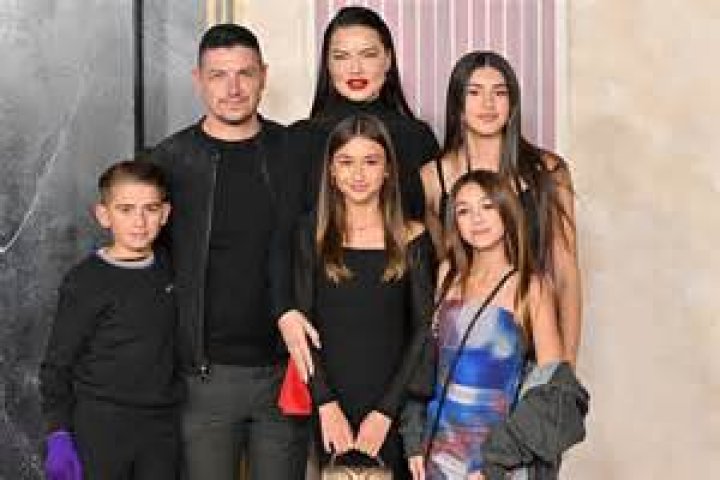
Blasian women, a term used to describe women of mixed Black and Asian descent, have a unique and multifaceted identity that encompasses the rich cultural heritage of both their African and Asian ancestries. They often navigate the complexities of two distinct cultures, embracing the beauty and challenges that come with their dual heritage.
Throughout history, Blasian women have made significant contributions to society, breaking down racial barriers and challenging stereotypes. They have excelled in various fields, including entertainment, politics, and academia, inspiring others with their resilience and determination.
The experiences of Blasian women are diverse and intersectional, influenced by factors such as their socioeconomic background, family dynamics, and personal experiences. Understanding their unique perspectives and experiences is crucial for fostering inclusivity and equity in our society.
Blasian Women
Blasian women, a term used to describe women of mixed Black and Asian descent, have a unique and multifaceted identity that encompasses the rich cultural heritage of both their African and Asian ancestries.
- Identity: Navigating the complexities of two distinct cultures, embracing the beauty and challenges of their dual heritage.
- History: Making significant contributions to society, breaking down racial barriers, and challenging stereotypes.
- Culture: Blending African and Asian traditions, creating a unique and vibrant cultural expression.
- Intersectionality: Influenced by factors such as socioeconomic background, family dynamics, and personal experiences.
- Representation: Often underrepresented in media and popular culture, facing challenges with visibility and recognition.
- Empowerment: Inspiring others with their resilience and determination, advocating for inclusivity and equity.
- Beauty: Embracing their unique physical characteristics, challenging narrow beauty standards.
- Community: Building supportive networks and organizations to connect and empower Blasian women.
- Allyship: Fostering understanding and support from allies to create a more inclusive society.
- Visibility: Increasing representation in various fields and platforms, breaking down stereotypes and promoting positive narratives.
These key aspects highlight the diverse and intersectional experiences of Blasian women, emphasizing the importance of understanding their unique perspectives and experiences. By fostering inclusivity and equity, we can create a society that celebrates and values the contributions of Blasian women in all their multifaceted glory.
Identity
Blasian women, with their unique blend of African and Asian ancestry, navigate the complexities of two distinct cultures, embracing the beauty and challenges of their dual heritage. This multifaceted identity shapes their experiences in various aspects of life, including:
- Cultural Identity
Blasian women often identify with both their African and Asian cultures, drawing from the traditions, values, and beliefs of both heritages. They may participate in cultural practices, such as attending traditional ceremonies, speaking multiple languages, and embracing the cuisines of both cultures. - Racial Identity
Blasian women may experience unique challenges related to their racial identity. They may face discrimination or prejudice from both the Black and Asian communities, as well as from society at large. They may also struggle with finding their place within these communities, as they may not always feel fully accepted by either group. - Personal Identity
Blasian women often develop a strong sense of self and personal identity that is influenced by both their African and Asian heritage. They may embrace their unique physical characteristics, such as their skin color, hair texture, and facial features, and see themselves as beautiful and worthy of love and respect. - Community
Blasian women often seek out community with others who share their experiences. They may join organizations or online groups specifically for Blasian women, where they can connect with others who understand their unique challenges and experiences.
These facets of identity are interconnected and shape the experiences of Blasian women in complex and multifaceted ways. By understanding the unique challenges and experiences of Blasian women, we can create a more inclusive and equitable society that values and celebrates their contributions.
History
Throughout history, Blasian women have made significant contributions to society, breaking down racial barriers and challenging stereotypes. They have excelled in various fields, including entertainment, politics, and academia, inspiring others with their resilience and determination.
One notable example is the actress and activist Anna May Wong, who was the first Asian American woman to achieve international stardom. She faced discrimination and prejudice throughout her career, but she persevered and became a role model for Asian Americans and Blasian women alike. Another example is the politician Shirley Chisholm, who was the first African American woman elected to Congress. She fought for civil rights and women's rights, and her legacy continues to inspire activists and politicians today.
The history of Blasian women is marked by both struggle and triumph. They have faced discrimination and prejudice, but they have also made significant contributions to society. Their stories are a reminder that Blasian women are resilient, determined, and worthy of recognition and celebration.
Culture
Blasian women, with their unique blend of African and Asian ancestry, often navigate the complexities of two distinct cultures, embracing the beauty and challenges of their dual heritage. This multifaceted identity shapes their experiences in various aspects of life, including their cultural expression.
Blasian women often create a unique and vibrant cultural expression that blends African and Asian traditions. This can be seen in their art, music, fashion, and cuisine. For example, Blasian artists may incorporate elements of both African and Asian cultures into their paintings, sculptures, and other works of art. Blasian musicians may blend African rhythms with Asian melodies to create unique and captivating sounds. Blasian fashion designers may combine African and Asian fabrics and design elements to create clothing that is both stylish and meaningful.
The cultural expression of Blasian women is a reflection of their unique identity and experiences. It is a way for them to connect with their heritage and to share their culture with others. By embracing their dual heritage, Blasian women are creating a new and vibrant culture that is all their own.
Intersectionality
The experiences of Blasian women are diverse and intersectional, influenced by factors such as their socioeconomic background, family dynamics, and personal experiences. Understanding their unique perspectives and experiences is crucial for fostering inclusivity and equity in our society.
- Socioeconomic background
The socioeconomic background of Blasian women can significantly impact their experiences. Those from lower socioeconomic backgrounds may face greater challenges, such as limited access to education, healthcare, and housing. They may also be more likely to experience discrimination and prejudice.
- Family dynamics
The family dynamics of Blasian women can also shape their experiences. Those who grow up in supportive and loving families may have a stronger sense of self-esteem and be more likely to succeed in life. Those who come from dysfunctional or abusive families may face greater challenges.
- Personal experiences
The personal experiences of Blasian women can also have a profound impact on their lives. Those who have experienced racism or discrimination may develop a sense of resilience and determination. Those who have had positive experiences may be more likely to embrace their unique identity and culture.
By understanding the intersectionality of Blasian women's experiences, we can better support and empower them. We can create a more inclusive and equitable society that values and celebrates their unique contributions.
Representation
Blasian women are often underrepresented in media and popular culture, facing challenges with visibility and recognition. This lack of representation can have a negative impact on their self-esteem and sense of belonging.
- Invisibility
Blasian women are often invisible in media and popular culture. They are rarely seen as the main characters in movies, TV shows, or books. When they are represented, they are often stereotyped or exoticized.
- Stereotypes
When Blasian women are represented in media and popular culture, they are often stereotyped. They may be portrayed as the "Dragon Lady," the "Lotus Blossom," or the "Blazing Amazon."
- Exoticization
Blasian women are often exoticized in media and popular culture. They may be portrayed as mysterious, alluring, and sexually desirable.
- Lack of positive role models
The lack of positive role models in media and popular culture can have a negative impact on Blasian women. They may internalize negative stereotypes and develop a sense of shame about their identity.
The underrepresentation of Blasian women in media and popular culture is a serious problem that needs to be addressed. By increasing the visibility of Blasian women and challenging stereotypes, we can create a more inclusive and equitable society.
Empowerment
Blasian women have a long history of overcoming adversity and fighting for their rights. They have faced discrimination and prejudice from both the Black and Asian communities, as well as from society at large. However, they have persevered and achieved great things.
Blasian women are often seen as role models for other women of color. They represent the strength and resilience of women who have faced adversity. They also advocate for inclusivity and equity for all people, regardless of race, gender, or sexual orientation.
The empowerment of Blasian women is important for several reasons. First, it helps to break down stereotypes and challenge the idea that women of color are not capable of achieving great things. Second, it inspires other women of color to pursue their dreams and goals. Third, it helps to create a more inclusive and equitable society for all.
There are many ways to empower Blasian women. One important way is to increase their visibility in the media and popular culture. Another way is to support organizations that work to empower women of color. Finally, it is important to challenge stereotypes and prejudices about Blasian women and other women of color.
By empowering Blasian women, we can create a more just and equitable society for all.
Beauty
Blasian women often face unique challenges related to their beauty. They may be subjected to discrimination and prejudice based on their skin color, hair texture, and facial features. However, Blasian women are increasingly embracing their unique physical characteristics and challenging narrow beauty standards.
The beauty of Blasian women is often celebrated in the media and popular culture. Blasian models, actresses, and singers are increasingly visible, and they are helping to change the way that people view beauty. These women are challenging the traditional beauty standards that have been set by white women. They are showing the world that beauty comes in all shapes, sizes, and colors.
The embrace of beauty by Blasian women is an important step towards creating a more inclusive and equitable society. It is important to challenge narrow beauty standards and to celebrate the beauty of all women, regardless of their race, ethnicity, or background.
Community
Blasian women often face unique challenges and experiences due to their dual heritage. Building supportive communities and organizations is crucial for connecting, empowering, and addressing the specific needs of Blasian women.
Community plays a vital role in providing a sense of belonging, shared experiences, and mutual support. Organizations such as the Blasian Women's Network and the Halfrican Association provide platforms for Blasian women to connect, share their stories, and advocate for their rights. These networks offer mentorship programs, career development workshops, and social events, fostering a sense of empowerment and collective identity.
By fostering a sense of community, Blasian women can navigate the complexities of their dual heritage, challenge stereotypes, and create a more inclusive and equitable society. It empowers them to embrace their unique identities, celebrate their diverse backgrounds, and work collectively for social change.
Allyship
Allyship is crucial for the empowerment and well-being of Blasian women, who often face unique challenges and experiences due to their dual heritage. Allies play a vital role in creating a more inclusive society by fostering understanding, providing support, and challenging stereotypes.
Allyship involves actively listening to and learning from Blasian women's experiences, recognizing and acknowledging the intersectionality of their identities, and using one's privilege to advocate for their rights and opportunities. By standing in solidarity with Blasian women, allies can help break down barriers, promote equity, and create a more just and inclusive society.
Examples of allyship include supporting Blasian-led organizations and initiatives, speaking out against racism and discrimination, and challenging harmful stereotypes and microaggressions. Allies can also use their platforms to amplify the voices of Blasian women and advocate for policies that promote their well-being.
Fostering allyship is essential for creating a truly inclusive society where Blasian women feel valued, respected, and empowered. By working together, allies and Blasian women can create a more just and equitable world for all.
Visibility
For Blasian women, visibility plays a crucial role in breaking down stereotypes, promoting positive narratives, and fostering a sense of belonging. Historically underrepresented in mainstream media and popular culture, Blasian women have faced challenges in gaining recognition and having their stories told.
Increasing the visibility of Blasian women in various fields and platforms is essential for several reasons. Firstly, it challenges the limited and often stereotypical portrayals that have dominated media representations. By showcasing the diverse experiences, perspectives, and achievements of Blasian women, it helps to reshape societal perceptions and break down harmful stereotypes.
Secondly, visibility provides role models and inspiration for young Blasian girls and women. Seeing successful and accomplished Blasian women in different fields can empower them to pursue their own dreams and aspirations, and instill a sense of pride in their unique heritage.
Moreover, increased visibility contributes to a more inclusive and representative society, where Blasian women feel valued and respected. It sends a powerful message that their voices and experiences matter, and that they are an integral part of the social fabric.
In recent years, there has been a growing movement to increase the visibility of Blasian women in various fields. From actresses and models to entrepreneurs and activists, Blasian women are making their mark and challenging traditional notions of beauty, success, and identity. Organizations such as the Halfrican Association and the Blasian Women's Network are dedicated to empowering and showcasing the talents and experiences of Blasian women.
Increasing the visibility of Blasian women is not only the right thing to do, but it is also essential for creating a more just and equitable society. By breaking down stereotypes, promoting positive narratives, and providing role models, we can create a world where Blasian women feel empowered, celebrated, and heard.
FAQs on Blasian Women
This section addresses frequently asked questions and misconceptions regarding Blasian women, providing informative answers to foster a better understanding of their unique experiences and identities.
Question 1: What is the definition of a Blasian woman?
A Blasian woman is a person who identifies as female and has both Black and Asian ancestry.
Question 2: How do Blasian women navigate their dual heritage?
Blasian women often navigate their dual heritage by embracing the unique aspects of both cultures, while also acknowledging the challenges that arise from existing in multiple cultural spaces.
Question 3: What are some of the challenges that Blasian women face?
Blasian women may face challenges related to identity formation, racial discrimination, and stereotypes that stem from their unique racial and cultural background.
Question 4: How can we support Blasian women?
Supporting Blasian women involves fostering inclusivity, challenging stereotypes, providing platforms for their voices to be heard, and creating opportunities for their empowerment.
Question 5: What is the significance of visibility for Blasian women?
Visibility is crucial for Blasian women as it allows them to challenge narrow societal perceptions, inspire younger generations, and create a more inclusive representation in media and society.
Question 6: How can we promote a more equitable society for Blasian women?
Promoting equity for Blasian women requires addressing systemic barriers, fostering allyship, and creating opportunities for their full participation and recognition in all spheres of life.
In conclusion, understanding the experiences and challenges faced by Blasian women is essential for creating a more inclusive and equitable society. By addressing these questions, we can contribute to a better understanding and appreciation of their unique identities and perspectives.
Transition to the next article section: Exploring the Cultural Expressions of Blasian Women
Tips for Supporting Blasian Women
Fostering a truly inclusive and equitable society requires conscious effort and support for marginalized communities. Here are five tips to guide your actions and contribute to the empowerment of Blasian women:
Tip 1: Foster Inclusivity and BelongingCreate welcoming and supportive environments where Blasian women feel valued and respected. Encourage open dialogue, celebrate diversity, and challenge any forms of exclusion or discrimination.
Tip 2: Challenge Stereotypes and BiasExamine and challenge your own biases and assumptions about Blasian women. Educate yourself about their unique experiences and perspectives, and actively work to dismantle harmful stereotypes.
Tip 3: Provide Platforms for RepresentationAmplify the voices of Blasian women by providing opportunities for them to share their stories, experiences, and expertise. Support initiatives and organizations that promote their visibility and representation.
Tip 4: Advocate for Equity and JusticeSupport policies and initiatives that address the systemic barriers and challenges faced by Blasian women. Advocate for equal opportunities, fair treatment, and the removal of discriminatory practices.
Tip 5: Build Allyship and SolidarityForge meaningful connections with Blasian women and actively listen to their perspectives. Offer support, mentorship, and advocacy, and work together to create a more just and equitable society.
By implementing these tips, you contribute to fostering a more inclusive and empowering environment for Blasian women. Their voices, experiences, and perspectives enrich our communities, and it is our collective responsibility to ensure their full participation and recognition.
Conclusion: Embracing these tips is not only the right thing to do, but it also creates a stronger and more vibrant society where everyone can thrive.
Conclusion
Throughout this exploration, we have delved into the multifaceted experiences, challenges, and contributions of Blasian women. Their unique identities, shaped by the intersection of Black and Asian heritage, offer valuable insights into the complexities of race, culture, and identity.
By understanding the nuances of their experiences, we can foster a more inclusive and equitable society that celebrates diversity and empowers all individuals. Recognizing the significance of Blasian women is not only a matter of justice but also an investment in a richer, more vibrant future for all.